
AI Will Not Just Cheapen Your Brand - It Will Destroy It If You Let It
There is a dangerous illusion spreading through boardrooms and marketing departments right now. The belief is that AI, LLMs, and generative tools can replace creatives and marketing professionals while preserving or even increasing brand value. I think that mentality and course of action is the pathway to doom.
What these tools will do, when deployed without restraint or understanding, is erode authenticity, accelerate the loss of brand trust, and expose how disconnected many organizations have become from the industries and communities they serve.
I have been a vocal critic of AI not because I fear it, but because I understand it. I also understand those hocking it to the masses are sociopathic salespeople who are overvaluing a tool that promises revolutionary results at the cost of skilled labor with no recourse to provide a better society as a result. I work as a marketing professional, photographer, videographer, and content creator in the motorcycle and powersports industry. I operate on both sides of the fence and from my vantage point, the risks are obvious and already materializing. You have to also be aware that all of this operates in a system based on modern economics, finite resources, and a framework that will benefit the few at the expense of the many while needing vital resources to exist.
The False Promise of Replacement
AI companies sell speed, scalability, and efficiency at all costs. What they rarely acknowledge is what their products cannot replicate: discerning taste, acumen, positioning context, and accountability. These are not abstract qualities. They are the foundations of brand credibility.
The real danger is not AI itself, but untrained humans using AI without the ability to verify facts, understand niche audiences, recognize cultural boundaries, or even recognize popular trends. When those tools are placed in the hands of people who lack industry fluency and creativity, the result is messaging that is inaccurate, tone deaf, or simply hollow. In enthusiast driven industries like motorcycles and powersports, this erosion can happen quickly and visibly.
When the Damage Is Already Done
I witnessed BMW Motorrad release AI generated imagery of the BMW 450GS during their EICMA announcement. This was not framed as early concept art. It was presented as a legitimate product reveal moment. The renders were poor, artificial, and disconnected from reality. I've seen better graphics on my XBOX.


For a brand positioned as premium, within a hobby rooted in physical experience and mechanical appreciation, the decision felt lazy and dismissive. Motorcyclists engage with the world because it is tactile, visceral, and real. Using synthetic imagery at a defining brand moment communicates a lack of respect for that reality and more importantly, potential consumers.
It left such a strong negative impression that I vowed never to purchase a new BMW motorcycle. That reaction may sound extreme, but brand damage does not occur in metrics dashboards. It happens emotionally and one compromised moment can have ripple effects that are hard or almost impossible to track. I am pretty sure I am not alone in this sentiment. A lot of people called them out about it online.

Digital Advertising Is Accelerating the Problem
Modern ad platforms actively encourage dependency on AI generated creative. Meta’s advertising systems reward volume and iteration at a scale that traditional creative pipelines struggle to meet. Many brands respond by replacing photographers, videographers, designers, and strategists with automated outputs rather than rethinking how creative teams operate.
The result becomes predictable. The visuals and copy become homogenized and there is zero differentiation.When campaigns become optimized for algorithms instead of humans, it might look good on paper but it devalues trust and interest in what you're selling.
A Case Study in Reality: Ducati
If there is a brand that proves reality based marketing still works at scale, it is Ducati. You can call me a bit biased but of all the brands I’ve worked with, very few come close to the quality and volume of human created content than the Bologna brand.
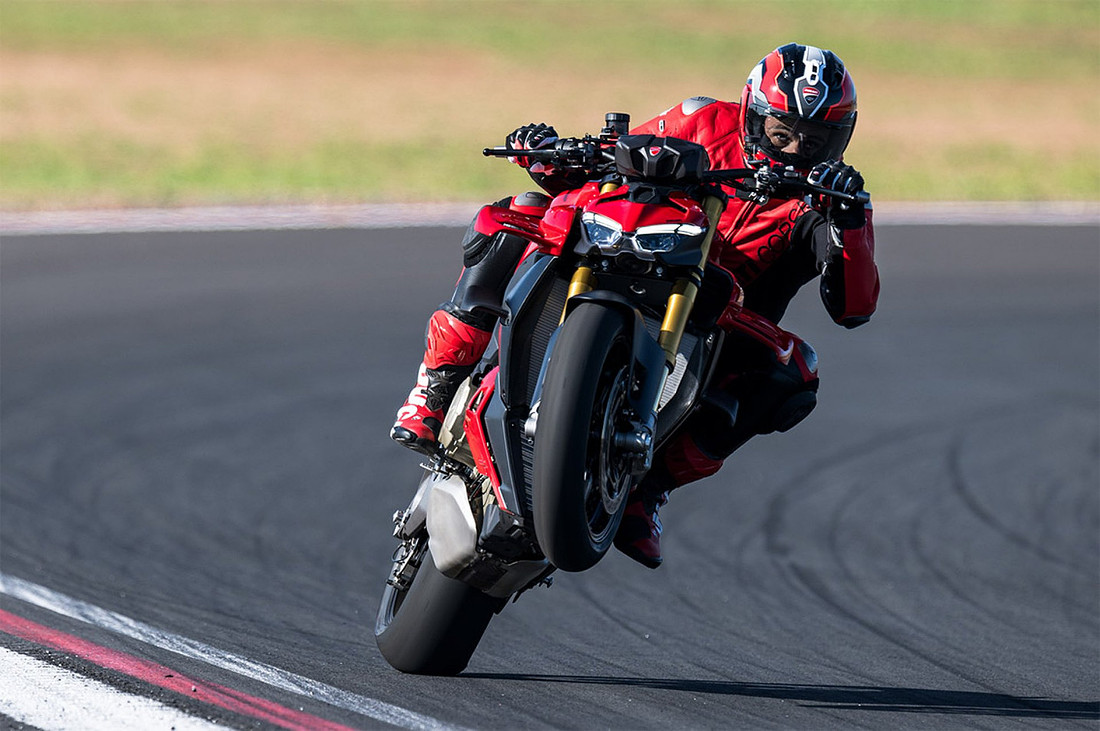
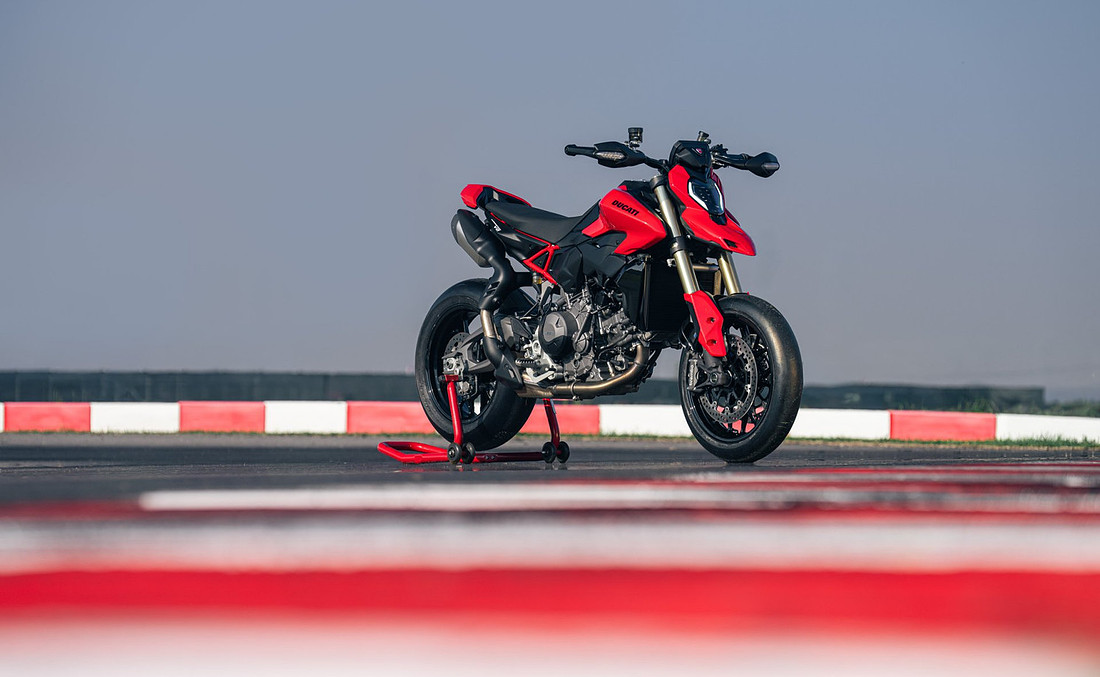
Ducati’s marketing operation is rooted in real humans, real machines, and real environments. The sheer volume of high quality photography and video they produce, both internally and through trusted creative partners, is a case study in long term brand thinking. Ducati is not just engaging in content churn. They take pride in crafting their brand's narrative.
Ducati understands that motorcycles are emotional, mechanical objects that demand honest representation. Their visuals come from racetracks, studios, roads, and workshops, captured by professionals who understand motion, light, speed, culture and what it means to connect with the machine.
They invest in creators who know the product, marketers who respect the creative process, and partnerships that value continuity over novelty. The result is a visual language that feels premium, cohesive, and believable. Most importantly, it feels real.
Reality as a Strategic Advantage
Ducati demonstrates a truth many brands are ignoring. Authenticity is not an aesthetic choice. It is a strategic one.
Their content does not simulate emotion. They capture it. They don't fabricate environments. They places machines in the real world and they show what they are capable of. This approach builds brand equity in ways synthetic content cannot. Enthusiasts recognize effort. They recognize craft. And they recognize when a brand respects the culture it profits from.
In a landscape flooded with generated imagery and AI slop, reality wins every time.
Where AI Actually Belongs
AI is not useless, I just think it's misapplied.
For in house marketing teams, AI excels at the least creative parts of the job. Reporting. Data reconciliation. Performance comparison. Forecasting. Scenario modeling.
I do not want to spend hours compiling monthly reports or manually analyzing large datasets. AI can and should handle that work so humans can focus on strategy, storytelling, and execution. What AI should not do is define brand voice, represent physical products, lead creative direction, or speak for enthusiast communities. Those responsibilities require experience, judgment, passion, and accountability. AI has none of these. It's a machine. We already have one of those, it's called the motorcycle.
The Choice Wise Brands Ought to Make
We are entering an era where everyone has access to the same tools, where content volume explodes, and authenticity becomes the only meaningful differentiator.
Brands that use AI to support creatives will build equity and brands that use AI to replace creatives will feel the backlash of it in the long run.
I don't believe this is a technology debate. It is a values test of how brands choose to do business.
If your brand claims craftsmanship, performance, heritage, or trust, then your marketing must embody those principles. Synthetic shortcuts are visible and generated content is detectable. No motorcycle consumer wants it and audiences are more perceptive than analytics suggest.
Final Thoughts
AI will not destroy brands on its own but brands will damage their reputation by misunderstanding what AI is good at and what humans should be irreplaceable at doing.
Remove the people who understand your audience, your product, and your culture, and all that remains is hollow 1s and 0s and that has never built loyalty and it has rarely inspired the masses. I encourage every single motorcycle and powersports executive to recognize this fact and not be quick to play into the hype.
